- Need Diagnostic Guidance? Call Desk: +971 55 639 9463
- Expert Support: 8:00 AM – 10:00 PM (GST)


Modern automobiles are marvels of mechanical and software engineering, but no advanced computer system can compensate for broken molecular chains in degraded engine oil, hardened rubber belts, or moisture-contaminated transmission fluid.
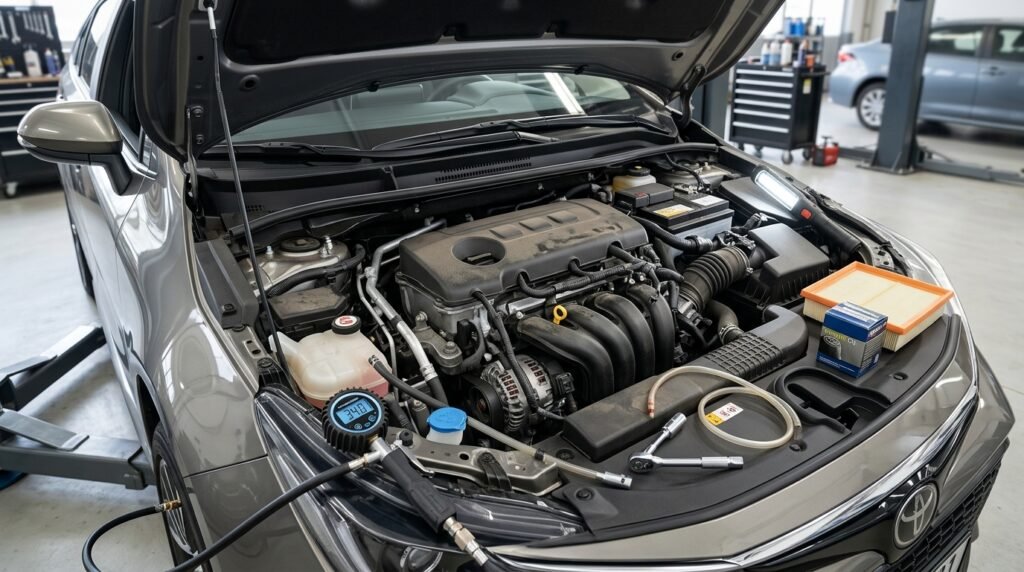
Most catastrophic vehicle failures from seized camshaft bearings to blown head gaskets do not happen overnight. They occur when small, preventative fluid and filtration checks are neglected between scheduled dealership services.
Following a strict, data-backed 10,000-km maintenance routine allows you to catch minor mechanical wear, seal sweating, and fluid degradation before they snowball into four-figure workshop bills.
When replacing your engine air filter, never blow high-pressure compressed air through an old paper filter to "clean and reuse" it. Compressed air tears microscopic channels through the cellulose media fibers. While the filter may look clean to the naked eye, these torn micro-pores allow abrasive silica dust straight into the combustion chamber, scoring cylinder walls and contaminating the Mass Air Flow (MAF) sensor wire. Always replace the filter element completely.
To maximize your vehicle’s operating lifespan beyond 250,000 kilometers, routine upkeep must focus on three interconnected pillars:
[ Pure Chemical Fluids ] (Synthetic Oil / Coolant)───► [ High-Flow Filtration ] (Oil, Air & Fuel Filters) ───► [ Regulated Pressure & Thermal Load ] (Tire PSI / Radiator Cap)
Fluid Viscosity & Chemistry: Lubricants lose their anti-wear zinc/phosphorus additives and shear down under high operating temperatures, leaving metal-on-metal contact surfaces vulnerable.
Filtration Efficiency: Clogged engine air filters force the engine to work harder against intake restriction, while saturated oil filters bypass dirty, unmanaged oil directly back into your engine bearings via internal pressure relief valves.
Hydraulic & Pneumatic Pressure: Incorrect tire pressure ruins suspension bushings, while improper cooling system pressure allows localized flash-boiling.
Before performing routine service, cross-referencing your vehicle’s make, model, and mileage with the DriveSolve Car Diagnostic Navigator will provide a custom maintenance roadmap with exact fluid capacities, factory oil weights, and active Technical Service Bulletins (TSBs).
Step 1: Perform Clean Oil Extraction & Verify Thermal Viscosity
Draining engine oil from the bottom sump plug often risks stripping aluminum oil pan threads and leaves heavy sludge deposits settled at the bottom corners.
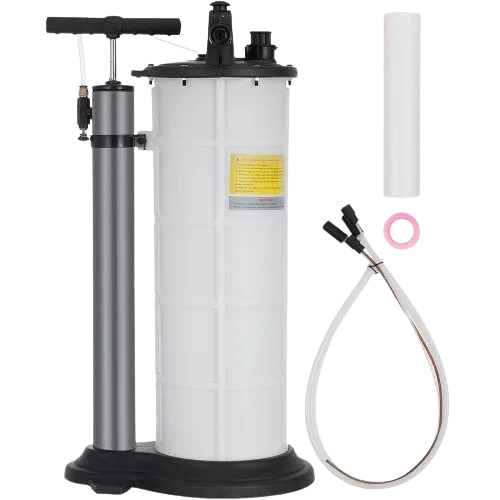
Using a Pneumatic and Manual Fluid Evacuator Extractor Pump, insert the extraction probe directly down the dipstick tube to vacuum out hot, suspended oil and metallic contaminants from the lowest point of the sump pan:
Inspect the extracted fluid under direct sunlight: if the oil smells of burnt fuel or feels watery rather than viscous between your fingers, fuel dilution or thermal shear has broken down the protective oil film.
Replace with the exact OEM-specified viscosity (e.g., Full Synthetic 0W-20 or 5W-30 meeting API SP / ILSAC GF-6 standards).
Step 2: Remove and Seat the Oil Filter Housing Correctly
Over-tightened or improperly seated oil filter housings are one of the most common causes of catastrophic oil pressure loss. Modern plastic and aluminum cartridge filter caps easily crack under standard adjustable pliers.
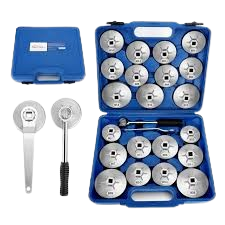
Use a dedicated, fluted Universal Oil Filter Wrench Cap Socket Set to engage the filter housing evenly without rounding off the hex head:
Always lubricate the new rubber O-ring with fresh engine oil before seating it into the housing groove.
Hand-tighten the housing, then torque to the manufacturer specification (typically 25 Nm) to avoid crushing the internal bypass spring.
Step 3: Inspect Serpentine Accessory Belts & Tensioner Damping
Pop the hood with the engine off and examine the ribbed underside of the serpentine drive belt using an inspection mirror.
The 25mm Crack Rule: If you spot 3 or more cracks within a 25mm section of belt ribbing, the rubber has lost elasticity and is at risk of snapping under load.
Tensioner Pulley Vibration: Start the engine and watch the belt tensioner arm. If it chatters or fluctuates erratically, the internal hydraulic/spring damper has collapsed, which can cause the alternator or water pump to slip.
Step 4: Check Cold Tire Pressures & Calibrate TPMS Thresholds
Tire pressure fluctuates by approximately 1 PSI for every 5°C change in ambient temperature. Driving on under inflated tires increases rolling resistance, overheats tire sidewalls, and accelerates lower control arm bushing fatigue.
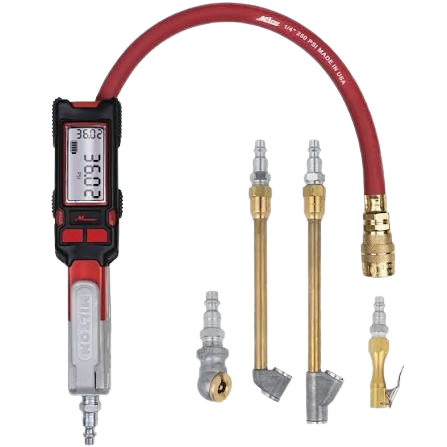
Attach a Precision Digital Tire Inflator and Pressure Gauge with Hose directly to the tire valve stem while the rubber is completely cold:
Inflate strictly to the cold PSI rating listed on the driver’s door jamb sticker (never the maximum PSI stamped on the tire sidewall).
Inspect tread grooves for uneven inner or outer shoulder wear, which signals suspension misalignment or worn ball joints.
To execute clean, professional grade maintenance intervals in your own garage without damaging fasteners or making messy spills, keep these three top-selling workshop tools on hand:
| Essential Diagnostic Tool | Primary Function | Ideal For |
|---|---|---|
| Pneumatic and Manual Fluid Evacuator Extractor Pump | Dual-mode high-capacity vacuum fluid evacuation through dipstick tubes and filler necks. | Clean, topside engine oil changes, transmission fluid extraction, and power steering flushes without lifting the vehicle. |
| Universal Oil Filter Wrench Cap Socket Set | Precision-machined aluminum cup sockets designed to grip OEM fluted oil filter caps securely. | Removing stubborn oil filter canisters and plastic filter housings without slipping, cracking, or rounding edges. |
| Precision Digital Tire Inflator and Pressure Gauge with Hose | High-accuracy backlit digital pressure readout with integrated bleed-down valve and flexible locking chuck. | Setting exact cold tire pressures, balancing multi-wheel inflation, and calibrating TPMS monitoring systems. |
Routine maintenance often uncovers underlying mechanical wear across other vehicle systems. Follow these related guides to keep your vehicle running smoothly:
Never wait for a dashboard warning light to alert you to a mechanical problem. Input your vehicle’s current mileage, engine specifications, and operating conditions into the DriveSolve Car Diagnostic Navigator to receive a tailored preventative service roadmap, complete torque specifications, and exact DIY walkthroughs in seconds.
While full synthetic base oils resist thermal breakdown longer than mineral oils, the engine oil filter continues to trap carbon, fuel soot, and micro-metallic debris. In stop-and-go city driving or extreme summer climates, oil additive packages deplete rapidly. Sticking to a strict 8,000 to 10,000 km interval protects timing chain guides and hydraulic variable valve timing (VVT) solenoids from premature sludge failure.
The engine air filter cleans the outside air entering the intake manifold and combustion chambers to protect internal engine components. The cabin air filter cleans the air entering through your vehicle's heating, ventilation, and air conditioning (HVAC) vents, filtering out pollen, road dust, and exhaust soot to ensure clean air inside the passenger compartment.
Despite manufacturer claims of "lifetime fluid," automatic transmission fluid undergoes severe thermal and shear stress. Most transmission specialists recommend a fluid drain-and-refill every 60,000 to 80,000 km. Neglecting this service leads to oxidized fluid, sticky valve body solenoids, and clutch pack slippage.
If tire pressures are identical on all four corners but the car still drifts to one side, you are likely dealing with uneven front-end wheel alignment (caster/camber split), a dragging brake caliper slide pin, or worn suspension control arm bushings that allow the wheel hub to deflect under road load.
Yes. The drain plug washer is a soft aluminum or copper "crush washer" designed to compress and conform to micro-imperfections between the steel plug and the oil pan. Reusing a crushed washer prevents a proper hydraulic seal, leading to slow oil weeping that can loosen the drain plug over time.