- Need Diagnostic Guidance? Call Desk: +971 55 639 9463
- Expert Support: 8:00 AM – 10:00 PM (GST)


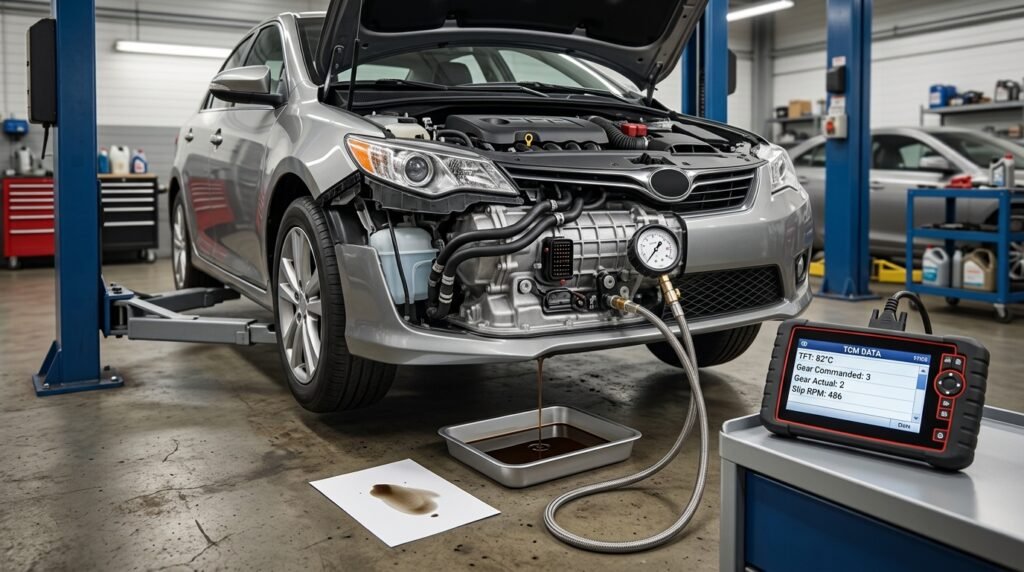
Modern automatic transmissions (including traditional planetary gearboxes, CVTs, and Dual-Clutch DCTs) are complex hydraulic and electronic systems. They rely on high-pressure fluid to engage clutch packs, lubricate planetary gears, and cool torque converters. When fluid levels drop by just half a liter, or when shift solenoids become clogged with microscopic friction debris, hydraulic line pressure collapses, leading to slipping clutch bands and severe gear shudder.
Before agreeing to an expensive multi-thousand dollar transmission rebuild, follow this structured diagnostic routine to pinpoint whether your issue is a simple fluid level/pressure loss, a failing shift solenoid, or internal mechanical wear.
Beware of the common myth: "Never change fluid on a high-mileage transmission that has never been serviced." If the fluid is brown, a simple drain and refill (replacing 3 to 4 liters) is safe and beneficial. What destroys high-mileage transmissions is using high-pressure chemical flushing machines, which dislodge heavy sludge deposits from the pan and force them directly into delicate valve body solenoid screens. Always opt for a gravity drain-and-refill along with a new transmission filter rather than an aggressive power flush.
To troubleshoot transmission faults accurately, you must understand how hydraulic pressure and electronic control units interact:
Transmission Control Module (TCM) → Shift Solenoids → Valve Body Channels → High Hydraulic Pressure → Friction Clutch Packs → Torque Converter & Wheels
Before draining your transmission pan, running your active symptoms through the DriveSolve Car Diagnostic Navigator will check your vehicle make and model against known Transmission Control Module (TCM) software updates, Technical Service Bulletins (TSBs), and diagnostic trouble codes (such as P0700 for transmission control malfunction or P0730 for incorrect gear ratio).
Step 1: Check True Transmission Fluid Level at Operating Temperature
Checking transmission fluid is entirely different from checking engine oil. Most modern transmissions lack a traditional dipstick and use an overflow standpipe located at the bottom of the transmission pan.
Step 2: Inspect Fluid Color, Smell, and Contamination
Place a few drops of transmission fluid onto a clean white paper towel:
Step 3: Measure Line Pressure Across Hydraulic Ports
If fluid levels and condition are good but gears slip during acceleration, verify whether the internal oil pump is generating sufficient clamping pressure.
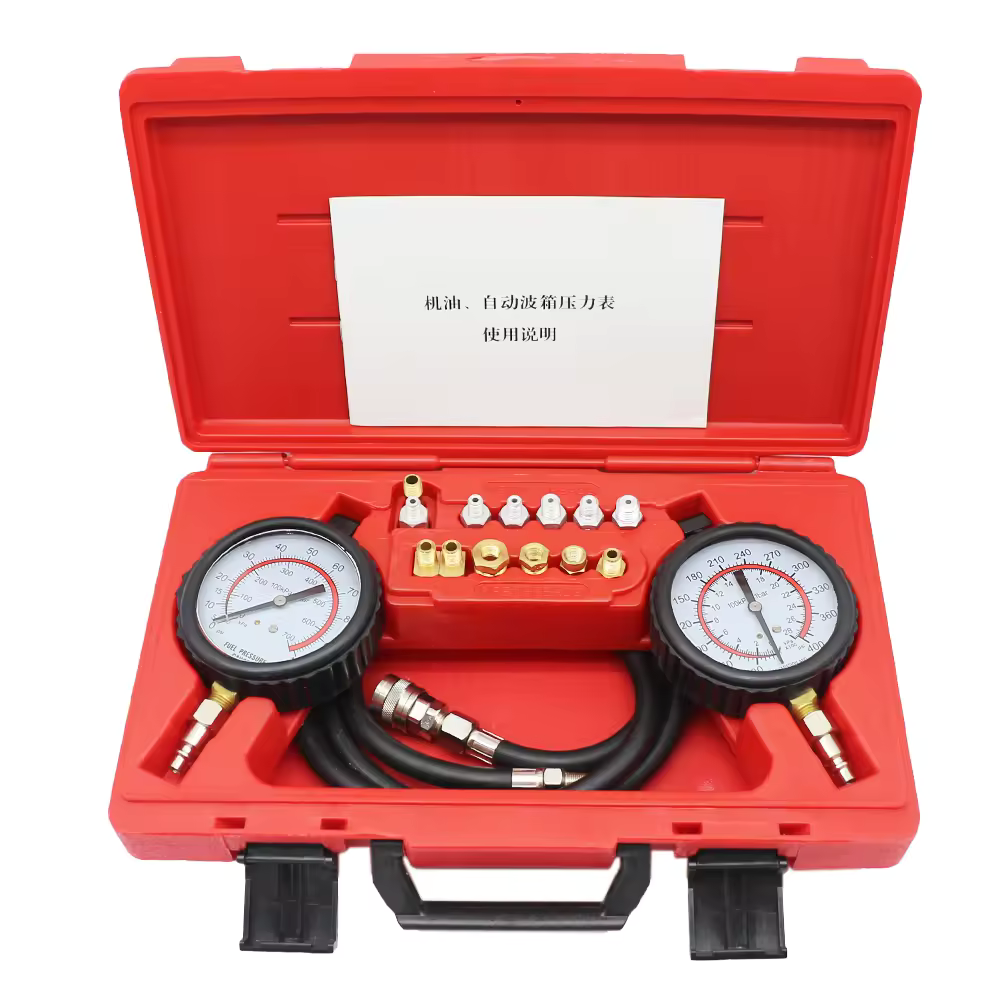
Thread an adapter from a High Precision Transmission Oil Pressure Gauge Diagnostic Kit into the dedicated line pressure test port on the side of the transmission casing:
Step 4: Perform a Precision Fluid Top-Off & Adaptation Reset
On sealed transmissions with side or bottom fill ports, gravity funnels cannot reach the inlet.
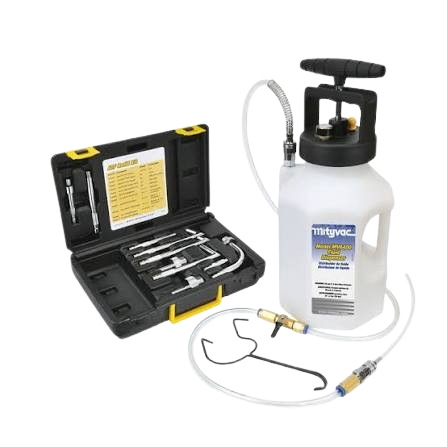
Use an Automatic Transmission Fluid Refill Adapter & Fluid Transfer Pump Kit to pump fresh OEM-spec fluid into the transmission until it begins overflowing from the standpipe:
To safely diagnose transmission slipping, measure line pressures, and perform precision bottom-up fluid refills without guesswork, keep these three top-selling tools in your garage setup:
| Essential Diagnostic Tool | Primary Function | Ideal For |
|---|---|---|
| Automatic Transmission Fluid Refill Adapter & Fluid Transfer Pump Kit | High-capacity manual and pneumatic fluid pump with multi-vehicle threaded fill adapters (DSG, CVT, Mercedes 722.9, Ford, Toyota). | Clean, bottom-up fluid refills and precise level setting on modern sealed transmission pans without dipsticks. |
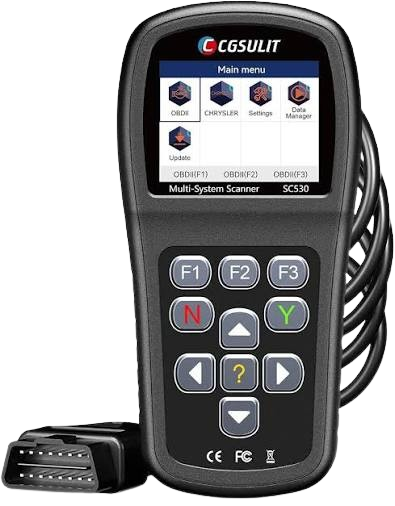
| All-System Diagnostic Scan Tool with Transmission Live Data & TCM Reset | Real-time TCM telemetry reading, Transmission Fluid Temp (TFT) live PID, solenoid activation, and clutch adaptation relearn. | Monitoring live shift pressures, clearing P0700 fault codes, and performing post-service transmission calibration. |
| High Precision Transmission Oil Pressure Gauge Diagnostic Kit | Heavy-duty dual-scale pressure gauge (0–500 PSI / 0–35 Bar) with extended high-pressure hose and quick-connect fittings. | Testing main line pressure, governor pressure, and diagnosing weak oil pumps or stuck pressure regulator valves. |
Transmission performance issues often correlate with engine vacuum, electrical drops, and routine fluid maintenance schedules. Follow these guides to complete your troubleshooting loop:
Don’t let repair shops convince you to replace your entire gearbox without proof. Input your vehicle’s year, make, model, and specific shifting behavior into the DriveSolve Car Diagnostic Navigator to get an immediate failure probability breakdown, factory technical service bulletins, and exact DIY repair paths in seconds.
Limp Mode (or Limp Home Mode) is a safety fail-safe programmed into the Transmission Control Module (TCM). When the computer detects a serious electronic fault, low line pressure, or severe gear ratio mismatch (P0730), it locks the transmission in 3rd or 2nd gear and raises line pressure to maximum. This prevents further mechanical damage while allowing you to drive at reduced speed to a safe location.
A drain-and-refill removes only the fluid inside the oil pan (about 30% to 50% of the total capacity), leaving the fluid in the torque converter and cooler lines untouched. It is gentle and safe for high-mileage cars. A *transmission flush* connects a machine to the cooler lines to replace 100% of the fluid under pressure. Flushes should only be performed on well-maintained transmissions according to strict factory schedules.
This symptom is classic Torque Converter Clutch (TCC) Shudder. At cruising speeds, a hydraulic clutch inside the torque converter locks the engine and transmission together at a 1:1 mechanical ratio for fuel economy. If the transmission fluid has lost its friction modifiers, the clutch rapidly slips and grabs, producing a vibration that feels identical to driving over road rumble strips.
Yes! The TCM calculates hydraulic shift pressure based on engine load data received from the engine control unit (ECU). If the MAF sensor is dirty or the Throttle Position Sensor (TPS) provides erratic voltage, the computer miscalculates engine load and commands maximum line pressure, causing violent, neck-snapping shifts between 1st and 2nd gear even though the transmission itself is mechanically sound.
No. Every second a transmission slips, the friction lining on internal clutch discs is grinding away, generating extreme localized heat (above 200°C) and shedding microscopic metallic debris into the valve body. Driving with a slipping transmission can turn a simple low-fluid or solenoid issue into a total mechanical failure requiring a full replacement in under 50 kilometers.